
Child Vaccinations
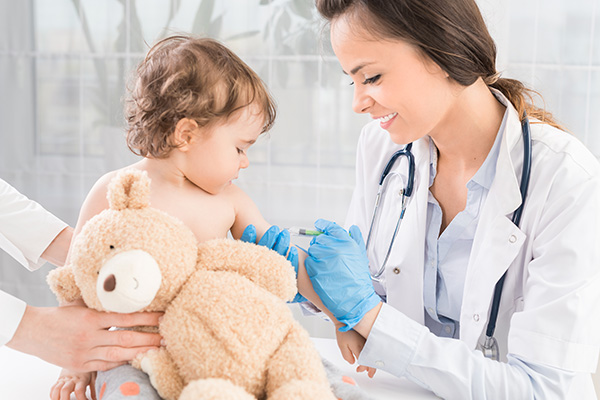
One of the most important things that a parent can do for their child is to make sure that they have all their routine childhood vaccinations. It's the most effective way of keeping them protected against infectious diseases.
Ideally, kids should have their jabs at the right age to protect them as early as possible and minimise the risk of infection.
Vaccination Checklist
Here's a checklist of the vaccines that are routinely offered to everyone in the UK for free on the NHS, and the age at which you should ideally have them. You can also read this information on the NHS.uk page.
2 months (8 weeks):
- Diphtheria, tetanus, pertussis (whooping cough), polio, Haemophilus influenzae type b (Hib, a bacterial infection that can cause severe pneumonia or meningitis in young children) and hepatitis B given as a 6-in-1 single jab known as DTaP/IPV/Hib/HepB
- Rotavirus
- Meningococcal B (MenB)
3 months (12 weeks):
- 6-in-1, second dose (DTaP/IPV/Hib/HepB)
- Rotavirus, second dose
- MenB, second dose
4 months (16 weeks):
- 6-in-1, third dose (DTaP/IPV/Hib/HepB)
- Pneumococcal infection
12 months:
- MMRV vaccine (measles, mumps, rubella and chickenpox), given as a single jab (first dose for children born on or after 1 January 2025)
- Pneumococcal infection, second dose
- MenB, third dose
1 year and 6 months:
- 6-in-1 vaccine (fourth dose for children born on or after 1 July 2024)
- MMRV vaccine (first or second dose for children born on or after 1 July 2024)
3 years and 4 months, or soon after:
- MMRV (first or second dose for children born between 1 September 2022 and 31 December 2024)
- Diphtheria, tetanus, pertussis and polio (DtaP/IPV), given as a 4-in-1 pre-school booster
Around 12-13 years:
- Cervical cancer (HPV) vaccine, which protects against cervical cancer, given as a single jab
Around 13-18 years:
- Diphtheria, tetanus and polio booster (Td/IPV), given as a single jab
- MenACWY vaccine, which protects against 4 strains for the meningococal bacteria - A, C, W and Y - which causes meningitis and blood poisoning (septicaemia), given as a single jab
Vaccines For Risk Groups
People who fall into certain risk groups may be offered extra vaccines. These include vaccinations against diseases such as hepatitis B, tuberculosis (TB), seasonal flu and chickenpox. See the NHS.uk pages on vaccines for adults to find out whether you should have one.
INDEX - Services
We use cookies to make this site work. We'd also like to set optional cookies so we can understand how the site is used and improve it. We will not set optional cookies unless you accept them. You can change your choice at any time from the Cookie settings link in the footer.
Strictly necessary cookies
These cookies are required for the site to work. They store your cookie preferences and keep your session secure. They are exempt from consent under PECR Regulation 6(4) because they are essential to deliver the service you have requested.
Optional cookies
Optional cookies help us understand how the site is used and provide additional features such as analytics, accessibility tools and translation. We will only set them if you accept.